

Leicester Property Investment: The Interior Design ROI You Can’t Afford to Ignore
I’ll be straight with you: Leicester property interior design isn’t just about making spaces look pretty. After nearly two decades in this industry, I’ve watched countless investors pour money into properties without understanding how strategic design choices directly impact their bottom line. It’s a costly mistake.
The Leicester property market has undergone a remarkable transformation over the past five years. What was once considered a secondary investment location in the Midlands has become one of the UK’s most compelling property investment opportunities. However, here’s what most investors overlook: the difference between a decent return and an exceptional one often hinges on interior design decisions made before the first tenant moves in.
Let me share what I’ve learned about maximising returns through intelligent design choices in Leicester’s evolving property landscape.
Why Leicester Property Investment Demands a Different Design Approach
Leicester isn’t London, and that’s precisely its strength. The city’s diverse demographic, thriving student population from two major universities, and growing professional class create unique design requirements that savvy investors can leverage.
I’ve worked on properties across the Midlands, and Leicester consistently surprises me with its appetite for quality interiors. The rental market here won’t tolerate the generic magnolia walls and builder-grade fixtures that might fly in some markets. Tenants—whether students, young professionals, or families—expect more.

The city’s cultural diversity means your design choices need to appeal to a broad spectrum of tastes whilst maintaining a cohesive identity. It’s a balancing act I navigate regularly with clients at Inventive Interiors Studio.
The Real Numbers: Interior Design ROI in UK Real Estate
Let’s talk figures, because that’s what property investment Leicester is ultimately about. According to recent industry analysis, strategic interior design can increase property values by 10-20% on average. But in Leicester specifically, I’ve seen well-executed designs push that figure even higher.
A thoughtfully designed two-bedroom flat in Leicester’s Clarendon Park area can command rental premiums of 15-25% over comparable properties with standard finishes. That’s not speculation—it’s what’s happening in the market right now.
Here’s what’s particularly interesting: the initial investment in quality interior design typically represents only 3-5% of the property’s purchase price, yet it can dramatically reduce void periods. In my experience, a well-designed property in Leicester lets within two weeks on average, compared to six to eight weeks for poorly presented alternatives.
The mathematics are compelling. If your property generates £1,200 monthly rent, reducing void periods by just one month annually adds £1,200 to your annual return. Over a five-year holding period, that’s £6,000—often more than the entire design investment.
Strategic Design Choices That Deliver Measurable Returns
Not all design investments yield equal returns. I’ve learned through trial and error which upgrades genuinely move the needle for property investment Leicester opportunities.
Kitchens: Your Highest-Impact Investment
In Leicester’s rental market, kitchens make or break viewing decisions. I don’t mean you need to install Italian marble and professional-grade appliances. What works is clean, contemporary design with quality mid-range fixtures.
Shaker-style cabinets in neutral tones, composite stone worktops, and integrated appliances consistently outperform budget alternatives. The cost difference might be £2,000-3,000, but the rental premium and reduced void periods typically recover this within 18-24 months.
One Leicester property I worked on last year saw its rental value increase from £850 to £1,050 monthly after a kitchen redesign that cost £4,500.
Bathrooms: Where Quality Perception Forms
Bathrooms require careful budget allocation. You don’t need spa-like luxury, but you absolutely cannot compromise on perceived quality.
Large-format tiles minimise grout lines and create a premium feel without premium costs. Wall-mounted toilets and floating vanities make spaces feel larger—crucial in Leicester’s Victorian conversions, where bathrooms are often compact.
I’ve found that spending an additional £500 on a quality shower enclosure and rainfall showerhead consistently delivers better returns than elaborate tile patterns or expensive sanitaryware.

Flooring: The Foundation of Design Cohesion
Flooring decisions ripple through your entire design scheme and maintenance budget. In Leicester’s rental market, I consistently recommend luxury vinyl tile (LVT) for most applications.
It’s durable enough for student properties, sophisticated enough for professional lets, and maintenance-friendly for landlords. The cost sits around £25-40 per square metre installed, and it eliminates the ongoing refinishing costs associated with real wood.
Carpet still has its place in bedrooms, but choose mid-range options in neutral tones. The £15-per-square-metre carpet won’t last significantly longer than the £8 option, but the £25 option often will.
Colour Psychology and the Leicester Rental Market
Here’s something most investors don’t consider: colour choices directly impact how quickly properties let and at what price point.
I’ve tested this extensively. Properties with carefully considered neutral palettes—think warm greys, soft taupes, and whites with undertones—let 30% faster than those with stark whites or bold accent walls.
The psychology is straightforward: neutral backgrounds allow potential tenants to envision their belongings in the space. But “neutral” doesn’t mean boring. Texture, lighting, and strategic accent pieces create visual interest without polarising viewers.
For Leicester’s diverse rental market, I typically work with a base palette of warm neutrals, then introduce subtle regional nods through accessories and artwork. It creates a connection without limiting appeal.
The Student Let Versus Professional Let Design Divide
Leicester’s substantial student population creates a unique investment opportunity, but the design approach differs markedly from professional lets.
Student properties benefit from durable, low-maintenance materials and straightforward layouts. Think wipeable paint finishes, robust furniture, and simplified colour schemes. The ROI here comes from minimising maintenance costs and maximising occupancy rates.
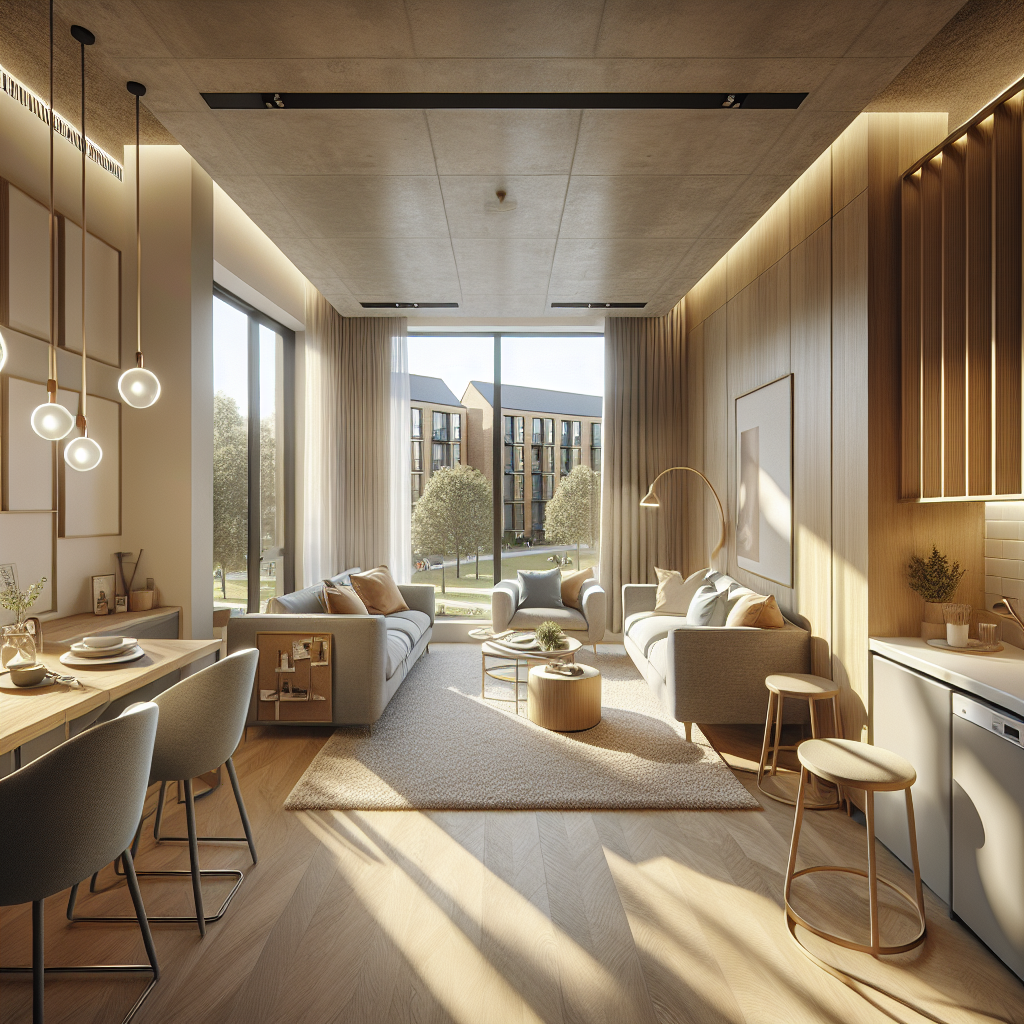
Professional lets demand a different strategy entirely. Young professionals in Leicester—particularly those working in the city’s thriving tech and pharmaceutical sectors—expect design-forward spaces. They’ll pay premiums for open-plan living, quality appliances, and thoughtful storage solutions.
I’ve worked on adjacent properties in Leicester’s West End, one designed for students and one for professionals. The student property cost £8,000 to furnish and design, generates £1,600 monthly from four tenants, and requires annual maintenance of roughly £1,200. The professional let costs £12,000 to design, generates £1,100 from a single professional, and requires minimal annual maintenance.
Both deliver strong returns, but the design approach and ongoing management differ substantially.
Furniture Packages: The Hidden ROI Accelerator
Furnished lettings in Leicester typically command 10-15% rental premiums over unfurnished alternatives. But here’s what many investors get wrong: they either overspend on furniture or buy such poor quality that replacement costs eliminate any premium gained.
The sweet spot I’ve identified for Midlands property investments involves mid-range furniture from commercial suppliers, not retail stores. Commercial-grade sofas cost 20-30% more than consumer equivalents but last three times longer in rental environments.
For a two-bedroom Leicester flat, a complete furniture package should cost £3,500-5,500. Anything less typically means you’re buying furniture you’ll replace within two years. Anything more means you’re unlikely to recover the investment through rental premiums.
I source most furniture from commercial suppliers who understand rental property requirements. The pieces might not win design awards, but they’ll survive multiple tenancies whilst maintaining presentable condition.
Lighting: The Most Undervalued Design Investment
If I could change one thing about how UK real estate investors approach interior design, it would be their treatment of lighting.
Lighting transforms spaces and directly impacts rental values, yet most investors default to builder-grade ceiling fixtures and call it done. It’s a missed opportunity.
In Leicester properties, I typically allocate 3-4% of the design budget to lighting. This includes a mix of ambient, task, and accent lighting that creates depth and atmosphere.
Dimmer switches cost £15-25 per room to install but dramatically improve perceived quality. LED strip lighting under kitchen cabinets costs roughly £80-120 per kitchen but creates a premium feel that justifies higher rents.
One Leicester apartment I designed last year included a £600 lighting package—pendant lights, dimmers, and under-cabinet strips. The property let for £150 more monthly than the investor’s identical unit next door with standard lighting. That’s a five-month payback period.
Storage Solutions That Justify Premium Rents
Leicester’s housing stock includes many Victorian and Edwardian properties with character but limited storage. Smart storage solutions directly address this limitation and command rental premiums.
Built-in wardrobes in bedrooms cost £400-800 per room but consistently appear in tenant feedback as high-value features. I’ve seen properties with comprehensive built-in storage let for 8-12% premiums over comparable properties without.
The key is making storage feel integrated rather than an afterthought. Alcove shelving, window seats with storage, and custom closet systems don’t need to be expensive, but they do need to look intentional.
For property investment Leicester opportunities, I recommend allocating 5-7% of your interior design budget to storage solutions. It’s one of the highest-return investments you can make.
Common Myths About Property Design ROI
Myth 1: Luxury Finishes Always Deliver Better Returns
The reality is more nuanced. In Leicester’s premium areas like Stoneygate or Oadby, luxury finishes might justify themselves. In student areas like Clarendon Park, they’re often a wasted investment.
I’ve seen investors spend £30,000 on designer kitchens in areas where the market won’t support corresponding rent increases. Know your market segment and design accordingly.
Myth 2: Tenants Don’t Care About Design
This might have been true twenty years ago, but today’s renters—across all demographics—have design expectations shaped by Instagram, Pinterest, and property programmes. They absolutely notice and will pay for well-designed spaces.
Myth 3: Design Investment Only Matters at Sale
Some investors think interior design only impacts resale value. In my experience, design decisions affect every aspect of property performance: rental rates, void periods, tenant quality, maintenance costs, and yes, eventual sale price.

The Leicester Neighbourhood Design Strategy
Different Leicester neighbourhoods demand different design approaches. What works in the Cultural Quarter won’t necessarily succeed in Oadby.
The Cultural Quarter and Highcross area attract young professionals who value contemporary design, open-plan layouts, and proximity to amenities. Design should be clean, modern, and low-maintenance.
Stoneygate and Oadby appeal to families and established professionals. Here, traditional design elements, quality finishes, and family-friendly layouts deliver better returns than cutting-edge contemporary design.
Clarendon Park and the student areas benefit from a durable, straightforward design that prioritises functionality over aesthetics. The ROI comes from minimising maintenance and maximising occupancy.
I always research comparable properties in the specific neighbourhood before finalising design recommendations. What commands premiums varies dramatically across Leicester’s diverse areas.
Sustainable Design: The Emerging ROI Factor
Here’s something that’s changed significantly in recent years: sustainable design features are increasingly influencing Leicester rental decisions and property values.
Energy-efficient lighting, improved insulation, and water-saving fixtures aren’t just environmentally responsible—they’re financially advantageous. Properties with strong Energy Performance Certificate (EPC) ratings let faster and command premiums as energy costs rise.
I recently specified LED lighting throughout a Leicester property, upgraded insulation, and installed a smart thermostat. The total additional cost was £2,800, but the property achieved an EPC rating of B compared to the neighbouring C-rated properties. It let within one week at a 12% premium.
According to recent government data, properties with higher EPC ratings achieve 5-10% higher values on average. That trend is accelerating as environmental awareness grows.
Technology Integration in Leicester Properties
Smart home technology has moved from luxury to expectation in Leicester’s professional rental market. But technology integration requires careful consideration of cost versus benefit.
Smart thermostats like Nest or Hive cost £200-300 installed and deliver genuine utility bills savings whilst appealing to tech-savvy tenants. Video doorbells provide security and convenience for roughly £150-200.
Where I draw the line is elaborate whole-home automation systems. They’re expensive, prone to obsolescence, and often create more problems than they solve in rental properties.
For most Leicester property investments, I recommend a selective technology approach: smart thermostat, video doorbell, and perhaps smart locks for easier tenant turnover. Total investment: £500-700. Rental premium and reduced management costs typically justify this within the first year.
Maintenance-Conscious Design Decisions
The best interior design for property investment Leicester opportunities isn’t just about initial impact—it’s about long-term performance.
I’ve learned to favour materials and finishes that maintain their appearance with minimal intervention. This means:
- Wipeable paint finishes in high-traffic areas
- Stain-resistant fabrics for upholstered furniture
- Composite materials that resist water damage in kitchens and bathrooms
- Flooring that doesn’t require regular refinishing
A property designed with maintenance in mind might cost 5-10% more initially but can reduce annual maintenance costs by 30-40%. Over a typical five-year holding period, that’s substantial.
One Leicester property I designed three years ago has required only routine cleaning and minor repairs despite three different tenancies. The comparable property next door—designed without maintenance considerations—has needed carpet replacement, repainting, and kitchen repairs totalling over £4,000.
The Viewing Experience: Design’s Immediate Impact
Here’s something I’ve observed repeatedly: viewing decisions happen within the first 30 seconds of entering a property. The design needs to create an immediate positive impact.
This means prioritising the entrance and main living areas. A well-designed hallway with good lighting, attractive flooring, and a feature mirror costs perhaps £400-600 but dramatically improves first impressions.
Living rooms should feel spacious, well-lit, and inviting. This doesn’t require large budgets—it requires understanding spatial planning, lighting, and colour psychology.
I typically recommend investors allocate their design budget proportionally: 30% to kitchen, 20% to bathrooms, 20% to living areas, 15% to bedrooms, 10% to flooring throughout, and 5% to entrance and hallways. This distribution consistently delivers the strongest viewing impact and rental returns.
Working with Design Professionals: When It’s Worth the Investment
Many Leicester property investors attempt DIY interior design to save costs. Sometimes this works; often it doesn’t.
The question isn’t whether to hire design professionals—it’s when the investment justifies itself. For properties targeting premium segments or those requiring significant reconfiguration, professional design input typically pays for itself through better material choices, spatial planning, and finish coordination.
At Inventive Interiors Studio, we’ve developed specific services for property investors that focus on ROI rather than purely aesthetic outcomes. The approach differs significantly from residential design for homeowners.
For straightforward refurbishments in standard segments, investors can often achieve good results with clear reference images and quality contractors. For anything more complex, professional input usually proves cost-effective.
Frequently Asked Questions
- What’s the minimum design budget for a Leicester buy-to-let property?
- For a standard two-bedroom flat, I’d recommend allocating £8,000-12,000 for a complete interior refresh, including kitchen, bathroom, flooring, decoration, and basic furniture. You can spend less, but you’ll likely compromise rental potential. Spending significantly more rarely delivers proportional returns unless you’re targeting premium segments.
- How often should rental property interiors be updated?
- In my experience, Leicester rental properties benefit from cosmetic updates every 3-4 years and more substantial refreshes every 6-8 years. This maintains competitiveness and justifies rental increases whilst spreading costs manageable across multiple tenancies.
- Do furnished or unfurnished properties deliver better ROI in Leicester?
- It depends on your target market. Student properties must be furnished and command premiums that justify the investment. For professional lets, furnished properties typically generate 10-15% higher rents but require furniture maintenance and replacement. Both can deliver strong returns with appropriate design and management.
- Should I design for current trends or timeless appeal?
- Timeless appeal wins for property investment. Trendy design dates quickly and may not appeal to all tenant demographics. I recommend classic foundations with easily updated accent pieces. This approach maintains relevance without requiring constant redesign.
- How important is outdoor space design for Leicester rentals?
- Increasingly important. Even small balconies or courtyards add value when properly designed. Simple improvements—quality outdoor furniture, container plants, good lighting—can justify 5-8% rental premiums in properties with outdoor access.
Your Next Steps in Leicester Property Investment
The Leicester property market offers compelling opportunities for investors who understand how interior design directly impacts returns. The difference between average and exceptional performance often comes down to strategic design decisions made before the first tenant moves in.
I’ve seen investors double their projected returns through thoughtful design choices. I’ve also seen others waste money on inappropriate upgrades that tenants don’t value. The key is understanding your specific market segment, making evidence-based decisions, and prioritising investments that deliver measurable returns.
Whether you’re considering your first Leicester property investment or optimising an existing portfolio, interior design deserves strategic attention alongside location, price, and rental demand.
If you’re planning a property investment in Leicester or the wider Midlands and want design guidance focused on ROI rather than aesthetics alone, we’d be happy to discuss your specific situation. Our approach at Inventive Interiors Studio centres on creating spaces that perform financially whilst appealing to your target tenant demographic.
The Leicester property market rewards investors who look beyond basic refurbishments to create spaces that tenants genuinely want to rent. In an increasingly competitive market, that difference matters more than ever.


 Polski
  English (UK)