

London Property: Interior Design for Maximum Resale Value
The London property market operates under its own unique set of rules. What works brilliantly in a Cotswolds cottage won’t necessarily translate to a Shoreditch loft, and understanding these nuances can mean the difference between a property that languishes on the market and one that sells within days—often for well above asking price.
I’ve watched countless homeowners make expensive mistakes, pouring money into renovations that actually decrease their property’s appeal to potential buyers. Equally, I’ve seen modest, strategic interior design London interventions yield extraordinary returns. The difference? Understanding what today’s London buyers actually want versus what we think they should want.
Let me share what I’ve learned about maximising resale value through thoughtful interior design in London, one of the world’s most competitive property markets.
Understanding the London Buyer’s Mindset
Here’s the thing: London buyers are remarkably sophisticated. They’ve likely viewed dozens of properties before yours, and they’re comparing everything against both the market and their own lifestyle requirements.
In my experience, the buyers circulating through London’s property market fall into distinct categories, each with different priorities. Young professionals want turnkey convenience and Instagram-worthy aesthetics. Growing families prioritise functionality and storage. Downsizers seek quality finishes and low maintenance. International buyers often look for investment potential alongside livability.
What unites them all? They’re willing to pay a premium for properties that don’t require immediate work. The days of buyers seeing “potential” as an asset are largely gone—now it’s viewed as an inconvenience.

The Neutrality Paradox: When Beige Isn’t Boring
I’ll be honest—I’ve had heated debates with clients about the concept of “neutral” design. Many interpret it as removing all personality, creating sterile, hotel-like spaces that lack warmth. That’s not what we’re after.
The neutrality that sells isn’t about absence of character. It’s about creating a sophisticated canvas that allows potential buyers to envision their own lives unfolding in the space. There’s a world of difference between builder-grade magnolia walls and a carefully curated palette of warm greys, soft taupes, and textured whites.
We often recommend what I call “layered neutrality” for clients focused on resale. This means working with a neutral base but introducing depth through texture, material quality, and subtle tonal variations. A room with limestone flooring, linen curtains, oak joinery, and wool upholstery can be entirely neutral whilst feeling rich and inviting.
The reality is that bold colour choices—whilst wonderful for personal enjoyment—statistically reduce your buyer pool. According to research from Rightmove, properties with neutral décor sell 15% faster than those with distinctive colour schemes. That doesn’t mean every wall must be white, but it does mean thinking carefully about where you introduce stronger hues in your interior design London strategy.
Kitchens: Where Investment Meets Return
If there’s one area where I always advise clients to focus their budget, it’s the kitchen. In London properties particularly, the kitchen has evolved from a purely functional space into the genuine heart of the home.
The numbers support this instinct. Data from Nationwide Building Society suggests that a well-executed kitchen renovation can return up to 75% of its cost in added property value. In prime London locations, I’ve seen this figure exceed 100% when the existing kitchen was particularly dated.
What defines a “well-executed” kitchen in today’s market? It’s not about the most expensive appliances or exotic stone worktops. Instead, focus on these elements:
Quality over Flash
Buyers can spot cheap carcasses and flimsy doors instantly. Invest in solid construction with soft-close mechanisms and durable finishes. A London interior designer worth their salt will guide you towards suppliers who balance quality with cost-effectiveness.
Timeless Layouts
Open-plan kitchen-living spaces remain incredibly popular in London, but the configuration needs to work practically. Islands should allow comfortable circulation. Storage should be intuitive. Lighting should be layered for different activities and times of day.
Integrated Appliances
The sleek, handleless aesthetic with fully integrated appliances continues to dominate UK luxury interiors. It creates visual calm and makes spaces feel larger—crucial in London where every square foot commands a premium.
One project I worked on in Notting Hill involved completely reconfiguring a galley kitchen into an L-shaped layout with a breakfast bar. We kept the footprint identical but improved flow and added three additional seats. The property sold for £140,000 above similar flats in the building, with multiple viewers specifically commenting on the kitchen as a key interior design London highlight.
Bathrooms: Small Spaces, Big Impact
Bathrooms often represent the best return on investment for their size. A dated bathroom can single-handedly derail a sale, whilst a beautifully appointed one creates a lasting impression.
The metropolitan design aesthetic for bathrooms has shifted dramatically in recent years. Gone are the coloured suites and busy tile patterns of previous decades. Today’s buyers expect hotel-inspired sanctuaries with high-quality fixtures and finishes.
Walk-in showers with frameless glass screens have largely replaced bath-shower combinations in main bathrooms. If space allows, a separate soaking tub adds luxury appeal, but it’s no longer essential. What is essential? Excellent water pressure, thermostatic controls, and proper ventilation.
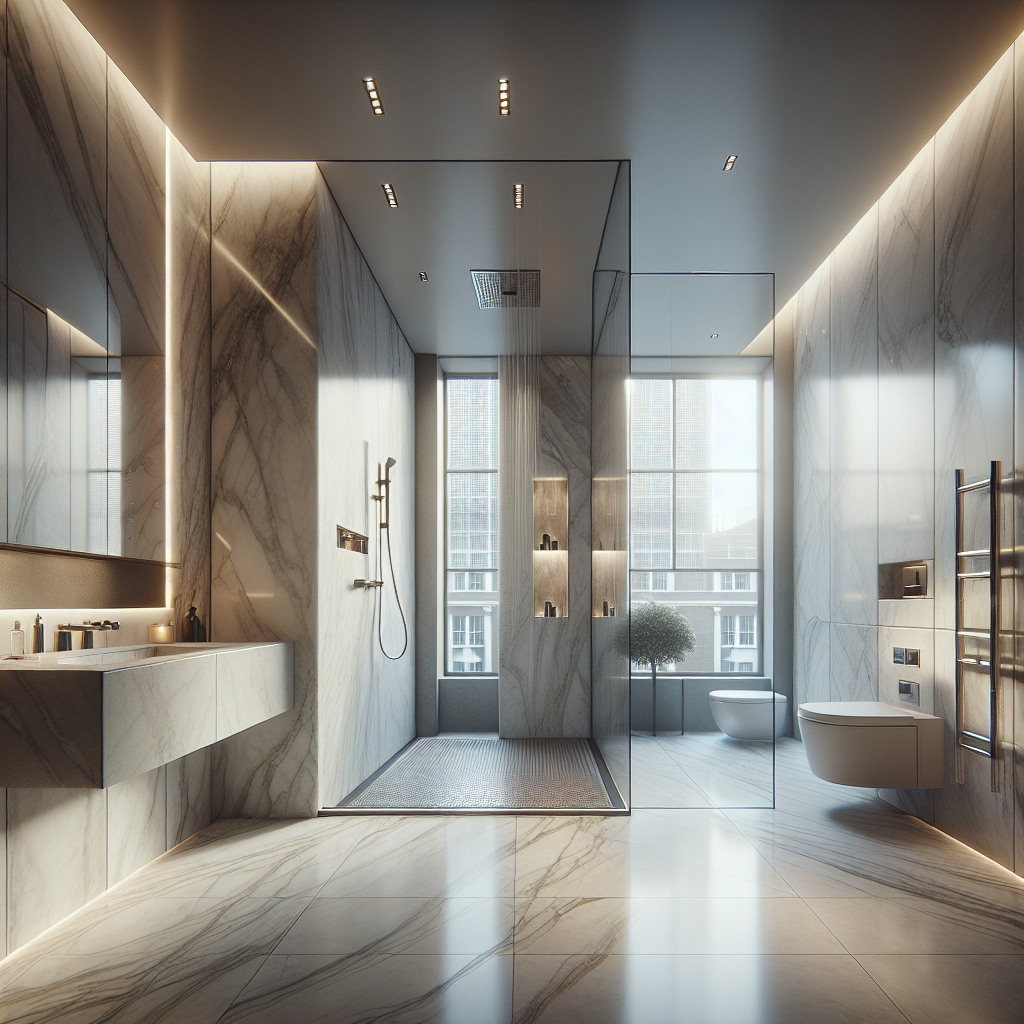
Material choices matter enormously. Large-format tiles (60x60cm or larger) make spaces feel more expansive and reduce grout lines for easier maintenance. Natural stone or high-quality porcelain creates a sense of permanence and quality that buyers notice immediately.
I’ve found that underfloor heating in bathrooms is one of those features that disproportionately impresses viewers. The cost is relatively modest when installing new flooring anyway, but the perceived luxury value is significant in interior design London projects.
Flooring: The Foundation of Value
Flooring is one of those elements that buyers assess—consciously or not—within seconds of entering a property. It’s also one of the most expensive elements to replace, so buyers factor potential flooring costs heavily into their offers.
Engineered wood flooring has become the gold standard across London properties. It offers the warmth and beauty of solid wood with greater stability and lower cost. The key is choosing appropriate widths and finishes for your property type.
For period properties, I typically recommend 150-180mm wide planks in mid-tone oak with a matt or satin finish. This complements original features without competing with them. In contemporary developments, wider planks (190-220mm) in lighter tones create the clean, Scandinavian-influenced aesthetic that dominates new builds.
What’s interesting is the growing acceptance of luxury vinyl tile (LVT) in certain applications. Modern LVT products have improved dramatically, and for high-traffic areas, kitchens, or properties likely to be rented out, they offer practical advantages. The stigma has largely disappeared, particularly for quality products that accurately replicate wood or stone.
Carpet still has its place—primarily in bedrooms—but the trend is decidedly towards hard flooring throughout reception rooms and hallways. If you do use carpet, invest in quality underlay and neutral colours in premium wool blends.
Lighting: The Most Underestimated Element
I can’t stress this enough: lighting transforms spaces more dramatically than almost any other design intervention, yet it’s consistently overlooked by homeowners preparing properties for sale.
The standard builder’s approach of a single ceiling pendant per room simply doesn’t cut it anymore. Buyers expect—and are willing to pay for—layered lighting schemes that create ambience and functionality.
This means combining ambient lighting (your general illumination), task lighting (for specific activities), and accent lighting (to highlight architectural features or artwork). In a typical London living room, I’d specify recessed downlights on dimmers, wall lights for ambient glow, and perhaps a statement pendant or floor lamps for character.
LED technology has revolutionised what’s possible. The warm white LEDs available today (2700-3000K) create the inviting glow we associate with traditional lighting whilst using a fraction of the energy. Smart lighting systems, whilst not essential, appeal strongly to tech-savvy buyers and add a premium feel.
Don’t forget natural light. Maximising daylight through strategic mirror placement, lighter window treatments, and reflective surfaces makes rooms feel larger and more valuable. According to research from the University of Cambridge, homes with abundant natural light sell for up to 20% more than comparable properties with limited daylight.
Storage Solutions: The Hidden Value Driver
Here’s something I’ve observed repeatedly: buyers will forgive many things, but inadequate storage isn’t one of them. In space-constrained London properties, clever storage solutions can be the deciding factor between an offer and a pass.
Built-in wardrobes in bedrooms are virtually essential. They maximise space efficiency and create a fitted, finished look that freestanding furniture can’t match. The investment is modest relative to the perceived value they add.
I always advise clients to consider the “clutter factor” when preparing for sale. Buyers need to envision their belongings in your space, which is impossible if every surface is covered. Strategic storage—whether fitted alcove shelving, window seats with hidden compartments, or under-stair solutions—demonstrates that the property can accommodate real life.
For families, the presence of a utility room or dedicated storage area for outdoor equipment, cleaning supplies, and seasonal items is increasingly important. If you have space to create one, even a modest 2-3 square metre utility can add significant appeal through smart interior design London.
The Power of Architectural Detail
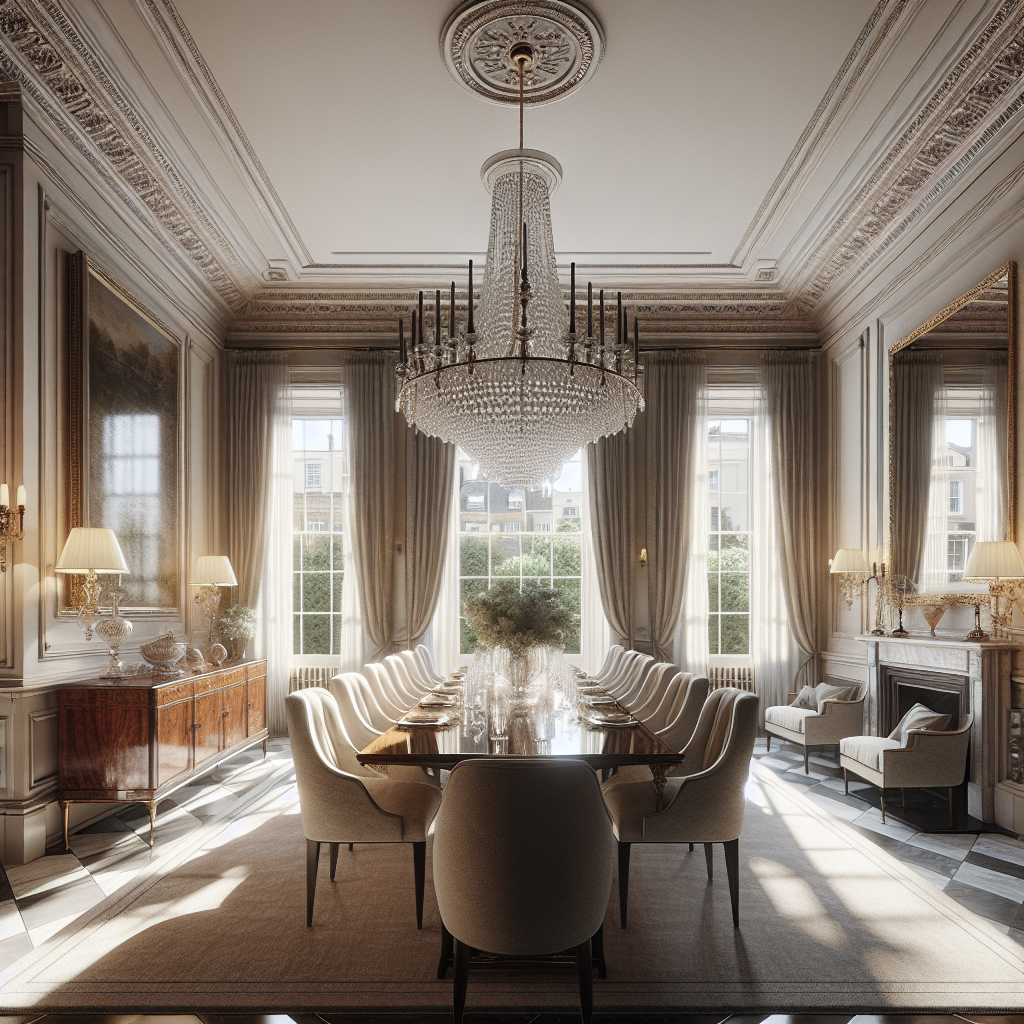
Period properties throughout London command premiums partly because of their architectural character—cornicing, ceiling roses, sash windows, fireplaces. If your property has these features, celebrating rather than concealing them is almost always the right approach for resale.
I’ve seen too many Victorian and Edwardian properties where original features were removed in misguided “modernisation” efforts. Restoring or retaining these elements typically costs less than the value they add. A working fireplace, even if rarely used, creates a focal point and sense of occasion that buyers love.
For properties lacking original character, introducing architectural interest through contemporary means can be worthwhile. This might include feature walls with textured finishes, coffered ceilings, or quality joinery that creates visual interest without overwhelming the space.
The key is consistency. Mixing architectural styles rarely works well. A Georgian townhouse should be restored sympathetically to its period, whilst a 1990s flat benefits from clean, contemporary interventions rather than faux-period additions.
Colour Psychology and Market Appeal
Whilst we’ve discussed neutrality, it’s worth understanding why certain colours work better than others in properties being marketed for sale.
Warm neutrals—greys with beige undertones, soft taupes, greyed-off whites—create spaces that feel both contemporary and welcoming. They photograph well, which is crucial given that Rightmove reports 90% of buyers begin their search online.
Cool greys, whilst popular a few years ago, have fallen somewhat from favour. They can feel stark and unwelcoming, particularly in north-facing rooms or properties with limited natural light. If you’re committed to grey, warm it with wooden tones and textured textiles.
Accent colours should be introduced through easily changeable elements—cushions, artwork, accessories—rather than permanent features. A vibrant teal feature wall might delight some buyers and repel others. A neutral wall with a teal velvet sofa achieves visual interest without polarising opinions.
One exception: I’ve found that deeper colours in smaller spaces like cloakrooms or studies can work beautifully. These rooms aren’t where buyers envision spending significant time, so a richer, moodier palette feels like a design choice rather than a limitation in interior design London.
Outdoor Spaces: London’s Premium Asset
Any outdoor space in London—whether a balcony, terrace, or garden—dramatically increases property value. Making the most of these areas is crucial for maximising resale potential.
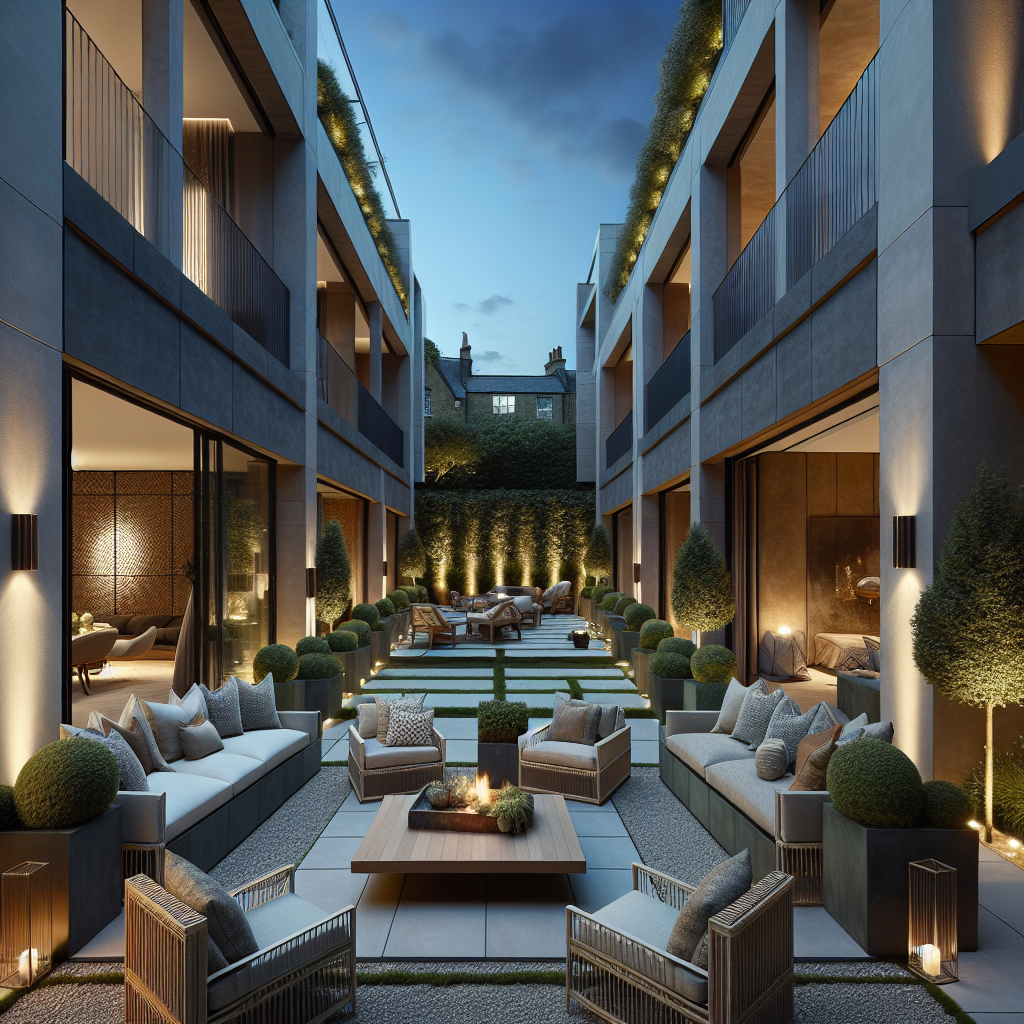
Even a small balcony can be transformed into a valuable extension of living space. Quality decking or outdoor tiles, integrated lighting, and thoughtful planting create an outdoor room rather than an afterthought. I’ve seen modest balconies add £30,000-50,000 to property values when properly designed.
For gardens, the trend is towards low-maintenance landscaping that looks lush without requiring constant attention. Buyers want the benefit of outdoor space without the burden of intensive upkeep. This means quality artificial lawn or hardy ground covers, raised beds with automatic irrigation, and structural planting using evergreens.
Outdoor lighting extends usability into evening hours and creates atmosphere. Solar options have improved considerably, though mains-powered systems remain superior for consistent illumination.
Technology Integration: Meeting Modern Expectations
Today’s London buyers—particularly in the professional demographic—expect properties to accommodate their connected lifestyles. This doesn’t mean installing elaborate smart home systems, but it does mean considering basic technological infrastructure.
Sufficient power points in logical locations seems obvious, yet I regularly encounter properties where charging phones or laptops requires awkward compromises. Similarly, robust WiFi coverage throughout the property has shifted from luxury to expectation.
USB charging points integrated into wall sockets are inexpensive to install and signal that the property has been updated thoughtfully. Smart thermostats like Nest or Hive appeal to environmentally conscious buyers and demonstrate lower running costs.
For UK luxury interiors, integrated audio systems, automated blinds, and comprehensive smart home control can be worthwhile, but they’re not essential for the broader market. Focus on getting the basics right before considering premium technology in your interior design London plan.
The Sustainability Factor
Environmental considerations are increasingly influencing buying decisions, particularly among younger purchasers. Properties with strong energy performance certificates (EPCs) sell faster and command premiums.
Improving insulation, upgrading to double or triple glazing, and installing efficient heating systems all contribute to better EPCs whilst making properties more comfortable. The government’s Energy Saving Trust provides detailed guidance on cost-effective improvements.
I’ve noticed that visible sustainability features—like water-saving fixtures, LED lighting throughout, and quality insulation—reassure buyers about ongoing running costs. In a city where energy bills can be substantial, demonstrating efficiency adds tangible value.
Common Myths About Designing for Resale
Myth 1: Expensive always means better value. The reality is that over-specifying finishes for your property’s price bracket rarely returns the investment. A £60,000 kitchen in a £400,000 flat is disproportionate. Match quality to market expectations.
Myth 2: You should remove all personality. There’s a difference between neutral and soulless. Buyers want to see a well-loved, well-maintained home, not a sterile show flat. Some personality through art, books, and tasteful styling actually helps viewings.
Myth 3: Trends don’t matter if quality is high. Whilst quality endures, overtly dated design choices—even expensive ones—reduce appeal. That £15,000 worth of travertine tiles from 2005 might be premium material, but the aesthetic has moved on.
Frequently Asked Questions
How much should I budget for interior updates before selling?
In my experience, allocating 3-5% of your property’s value to strategic updates typically yields the best return. Focus this budget on kitchens, bathrooms, flooring, and decorating rather than spreading it thinly across everything.
Should I hire a professional designer for a property I’m selling?
For properties above £750,000, professional design input usually pays for itself through faster sales and higher offers. Below that threshold, a one-off consultation to identify priorities can be worthwhile without committing to full design services.
How neutral is too neutral?
If your space feels cold or characterless, you’ve gone too far. Neutral should mean sophisticated and versatile, not bland. Introduce warmth through wood tones, varied textures, and quality materials rather than colour.
What’s the one thing that adds the most value?
If I had to choose one element, it’s kitchens in London properties. They’re the room buyers scrutinise most carefully and the space where quality—or lack thereof—is most apparent.
How long before selling should I start design updates?
Ideally, begin 3-6 months before listing. This allows time for thoughtful planning and execution without the pressure of an imminent sale. Rushed work shows, and buyers notice.
The Inventive Interiors Approach
At Inventive Interiors Studio, we’ve developed a specific methodology for clients preparing properties for sale. It starts with market analysis—understanding what comparable properties offer and identifying opportunities to differentiate yours.
We then prioritise interventions based on return on investment, focusing budget where it creates maximum impact. This might mean a complete kitchen renovation whilst simply refreshing paintwork elsewhere, or it might involve modest updates throughout that collectively transform the property’s appeal.
The goal isn’t to create the most expensive or elaborate interiors. It’s to position your property optimally within its market segment, appealing to the broadest possible pool of qualified buyers whilst maximising perceived value through expert interior design London.
Final Thoughts: Investment Versus Enjoyment
Here’s something worth considering: if you’re planning to live in your property for several more years before selling, don’t sacrifice all enjoyment for hypothetical future buyers. The best approach balances personal pleasure with sensible design choices that won’t limit appeal later.
Choose that slightly bolder tile in the bathroom if you love it—you can always refresh before selling. Install the home office setup that makes your working life better. Create the primary bedroom sanctuary that helps you sleep well.
Just avoid permanent, expensive choices that are highly personal or difficult to reverse. That custom mural in the dining room? Probably not. The slightly more interesting floor tile pattern? Go for it.
The London property market rewards quality, thoughtfulness, and attention to detail. It’s less forgiving of shortcuts, outdated design, and deferred maintenance. By understanding what today’s buyers value and investing strategically in interior design London properties that showcase these qualities, you position yourself for the strongest possible sale when the time comes.
Whether you’re planning to sell in six months or six years, the principles remain consistent: create spaces that are beautiful, functional, and flexible enough to accommodate different lifestyles. That’s the formula for maximum resale value in one of the world’s most dynamic property markets.
If you’re considering updates to maximise your property’s value, Inventive Interiors Studio offers consultations specifically focused on pre-sale design strategy. Sometimes an expert eye can identify opportunities you’ve overlooked or save you from costly mistakes that won’t return their investment.
The London market moves quickly, and first impressions matter enormously. Make yours count.




 English (UK)
  Polski